
How a meal plan comes together
Think playlist, not novel: a few favorites, room to skip, and space to try something new. Add your email for the same general planning checklist we send to everyone, or scroll down to read the guide.
You pick a tempo for the week, keep a few meals you already like, leave one slot open, and change the tune when life gets loud. This page walks through three ideas: anchor times, repeat ingredients on purpose, and check in once a month without guilt.
We share general lifestyle ideas, not personal medical nutrition care. If you need one-on-one guidance for a health condition, medications, or allergies, ask a registered dietitian nutritionist (RDN) or other licensed professional who knows your full history.
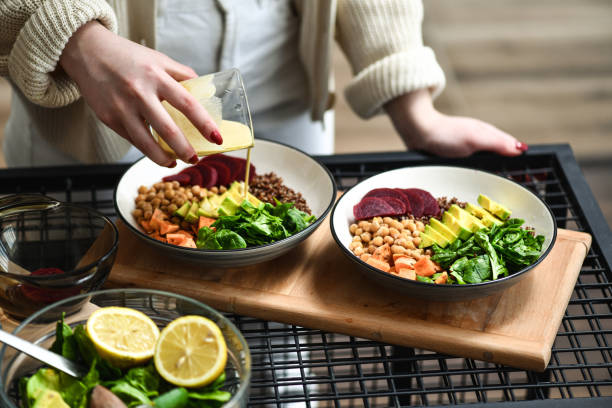
Anchor meals to real times
Write down three anchors: when breakfast usually happens, what lunch looks like (desk, car, or home), and when dinner is realistic. Anchors are not alarms. They just remind you that Tuesday lunch is often at a desk while Saturday might be a picnic. Once the “when” is clear, you can swap the “what” without rewriting the whole week every Sunday.
For dinner, name the style of night instead of the exact dish: sheet-pan night, slow simmer night, assembly night, or “use the leftovers” night. Sheet-pan night might be sausage, broccoli, and apple wedges on one tray. Simmer night could be lentils and canned tomatoes. Assembly night might be tortillas, beans, and slaw. Leftover night is fair game: grain bowl plus yesterday’s vegetables plus an egg on top.
Small cues help habits stick: fill your water bottle before breakfast, or set the cutting board out before you scroll your phone. Tiny steps feel doable.
Use the same ingredient twice
Buy cilantro once: chop stems into rice, use leaves on tacos, blend the last bits into a yogurt sauce. Use cabbage for slaw early in the week and thin slices in a stir-fry later. Zest citrus into oatmeal one morning and squeeze the juice into beans another night. You buy less and waste less.
Split your grocery list into “foods for several meals” and “one special item.” If you grab feta, plan two spots for it—salad one night, toast another—so the tub does not die in the drawer.
- Pick one herb, one onion or garlic style, and one citrus each week for easy flavor.
- Roast a double tray of hardy vegetables on your easiest cooking night.
- Keep a “clean out” soup template that accepts small amounts of many vegetables.
FAQs
How detailed should each day be?
Enough that Wednesday-you knows the idea, loose enough that a swap does not need a spreadsheet. Many people write “chicken + salad + rice” instead of a full recipe.
What if I cook for one?
Plan leftovers on purpose, or lean on soups and stews that freeze well. Bake half a batch of muffins and freeze slices for later.
Do themed nights help?
Only if they make you happy. Taco Tuesday is popular for a reason, but skip anything that feels tired. For kids, a “three colors on the plate” night can be a simple game.
A gentle monthly check-in
Once a month, ask three plain questions: Did we like the food? Did we throw out less than last month? Did the plan fit real life most of the week? If food felt boring, change flavors—not your worth. If waste went up, buy a little less produce or plan one stir-fry to clear the drawer. If the week felt too tight, drop one “cook from scratch” night instead of blaming yourself.
Keep tiny notes like you would on a recipe you are adjusting. Over time those notes become your own family playbook.