
Food and portions without stress
Hand-size guides, pantry basics, and snacks that make sense between meals—no hype. Add your email for the same general planning checklist we send to everyone, or keep reading below.
Online portion talk can get loud. Here is a simple frame: enough protein to feel satisfied, enough fiber and vegetables to round out the plate, enough fat for flavor, and enough starch for your hunger level that day. Many people use their hands as a rough guide—palm for protein, fist for grains, two hands cupped for vegetables—then adjust for kids, athletes, or smaller appetites.
“Balanced” here means foods you can buy, cook, and enjoy without resentment—not a medical definition. Frozen vegetables count. Canned fish counts. Leftover rotisserie chicken counts. Aim for plates that look like your real life.
Pantry staples you will really use
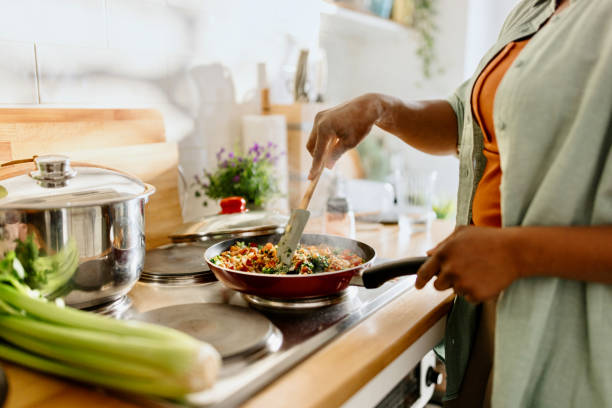
Think in food groups, not brand names. Oats, brown rice, quinoa, and whole-wheat pasta give steady energy. Beans, lentils, and canned chickpeas add protein and fiber. Nuts, seeds, and olive oil add satisfaction. Yogurt, eggs, and tofu are flexible proteins. Broth, canned tomatoes, and coconut milk make fast sauces.
Spices turn cheap meals into favorites. Keep paprika, cumin, coriander, thyme, and black pepper. Miso adds depth in dressings and soup. Vinegar wakes up beans in seconds.
When you restock, move older jars forward. A tiny “opened on” sticker on nut butter saves surprises later.
Color and texture on the plate
Different colors often mean different plant nutrients, but you do not need every color every day. Across a week, mix berries, carrots, leafy greens, cabbage, and corn. If that feels like a lot, pick three colors per trip and repeat what you love.
Texture matters too. Apples, snap peas, or cucumbers add crunch next to creamy beans or yogurt. Roasting sweetens vegetables and can make greens less bitter for picky eaters—no need to hide them under heavy coatings.
- Crunch + cream pairing
- Roast + raw pairing
- Sweet + tangy pairing
- Soft beans + bright herbs
Food safety at home
Rinse canned beans to cut extra salt and improve texture in salads. Keep eggs in the carton on a fridge shelf, not the door, so the temperature stays steadier. If you cook meat often, a simple thermometer helps. Use one spoon for tasting at the stove and clean spoons for serving.
Wash leafy greens under running water to remove grit. Spin them dry so dressing sticks. If you sprout seeds at home, follow trusted extension guides—sprouts need frequent rinsing.
Shared meals and allergies
Label serving spoons, avoid double-dipping tasting spoons, and bring a small card with ingredients at potlucks so guests can choose confidently.
Cooling big batches
Put large portions into shallow containers before refrigerating. Stir soup occasionally while it cools on a trivet so steam escapes.
Snacks that hold you between meals
Snacks are normal. Pairing carbs with protein or fat is a familiar way to build a snack that lasts through a long afternoon: apple with peanut butter, crackers with cheese, berries with yogurt. If you reach for food when you are stressed, try a glass of water and a two-minute pause to see if you are actually hungry.
For late shifts, pack foods that travel well: roasted chickpeas, trail mix, or a nut-butter sandwich on whole-grain bread plus a piece of fruit. If caffeine runs late, herbal tea can make sleep easier—and tomorrow’s appetite clearer.